We love indie games but, sadly, many of them never make it to release because the cost of game development is just too high.
This means that a lot of indie devs have to look for funding. While pitching a game to a publisher is one way to secure funding, many indie developers prefer a crowdfunding campaign because this allows them to save time on pitching their game and retain full control over it and the way it is marketed.
However, while a Kickstarter campaign can be a powerful way to raise funds, the vast majority of them aren’t successful. And that often comes down to a lack of proper preparation before launching a campaign (which is strangely good because this is in every dev’s control to fix).
We’ve been promoting indie Kickstarter campaigns for a while now through our regular Indie Kickstarter Watch features, so we decided to ask the devs that ran successful campaigns to share some advice with us.
Firstly, we have to say that the indie game community is amazing and the response we got from devs was incredible. Not everyone’s advice will make it into this article, but we do have to mention just how thankful we are for all the responses we got.
Now, let’s find out how to run a successful indie game Kickstarter campaign!
Start Planning Your Indie Game Kickstarter Campaign as Early as You Can
One of the first things that stood out to us was how many devs told us that spending a lot of time planning was imperative to a successful Kickstarter campaign.
César Armino, the dev behind Glory Hunters offered some excellent advice to get you started. He recommended making a list of things you’d consider important as a backer. If you’ve backed projects on Kickstarter before, look at the things they offered that made you want to support them.
A “strong and interesting hook” at the beginning of your campaign will help people to read on and it never hurts to compare your Kickstarter campaign with other projects, especially ones you’ve backed and ones that have been successful. This is something that Rokaplay, the team behind the successful Spells & Secrets campaign, also agreed with.
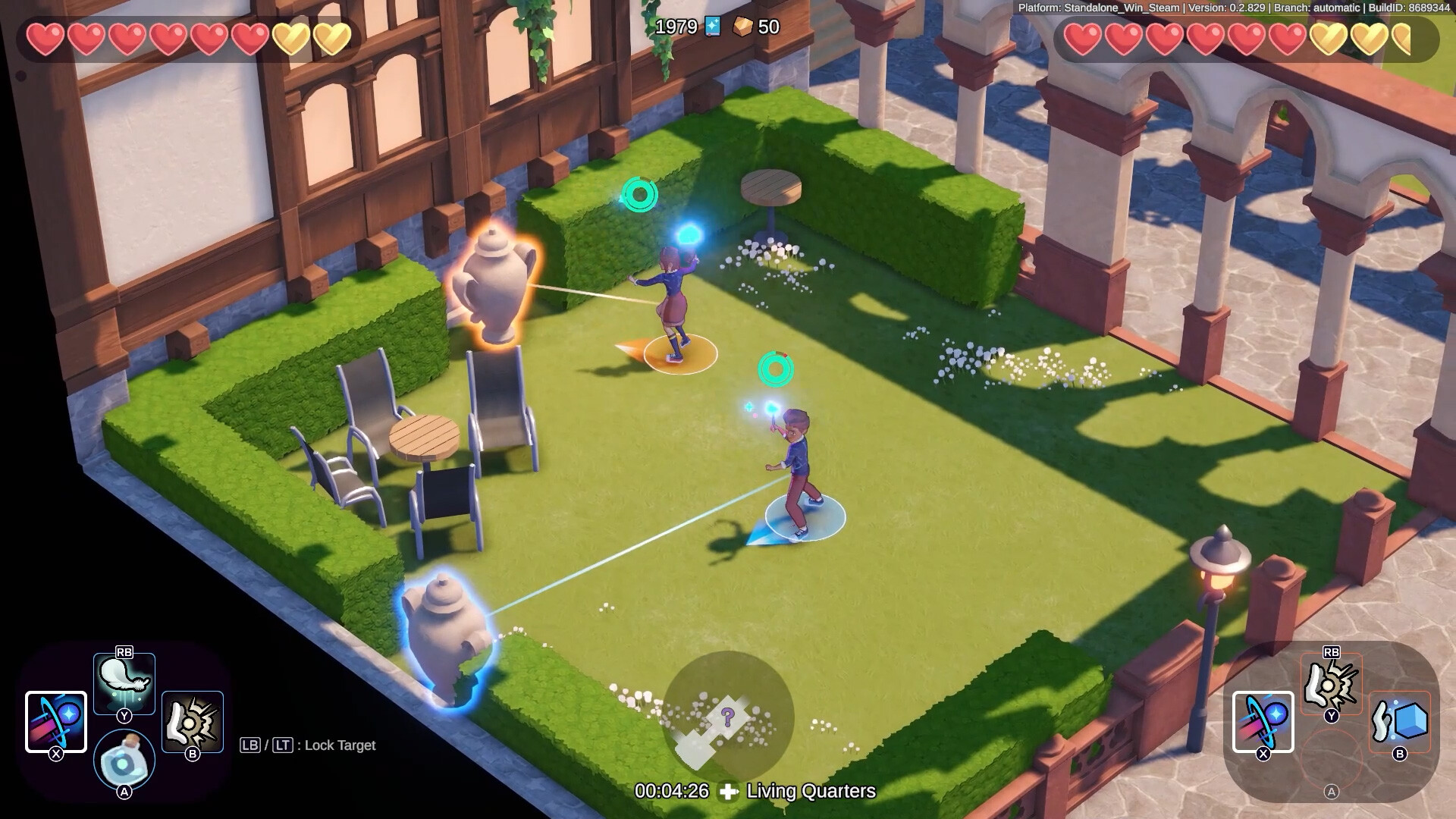
“Go through a couple of KS pages yourself”
@rattower, developer of Monomyth
Spend PLENTY OF TIME Putting Your Campaign Together
Night Council Studio, the devs behind Atlas Negro: Infernum suggested planning your Kickstarter campaign at least 6 months in advance, a sentiment echoed by the Stratospiel team.
You can’t just put a Kickstarter page together and expect your game to be funded. But you can’t plan forever either. Find the sweet spot – keep making progress every time you work on your campaign and set mini goals to achieve. This will help you stay on track.
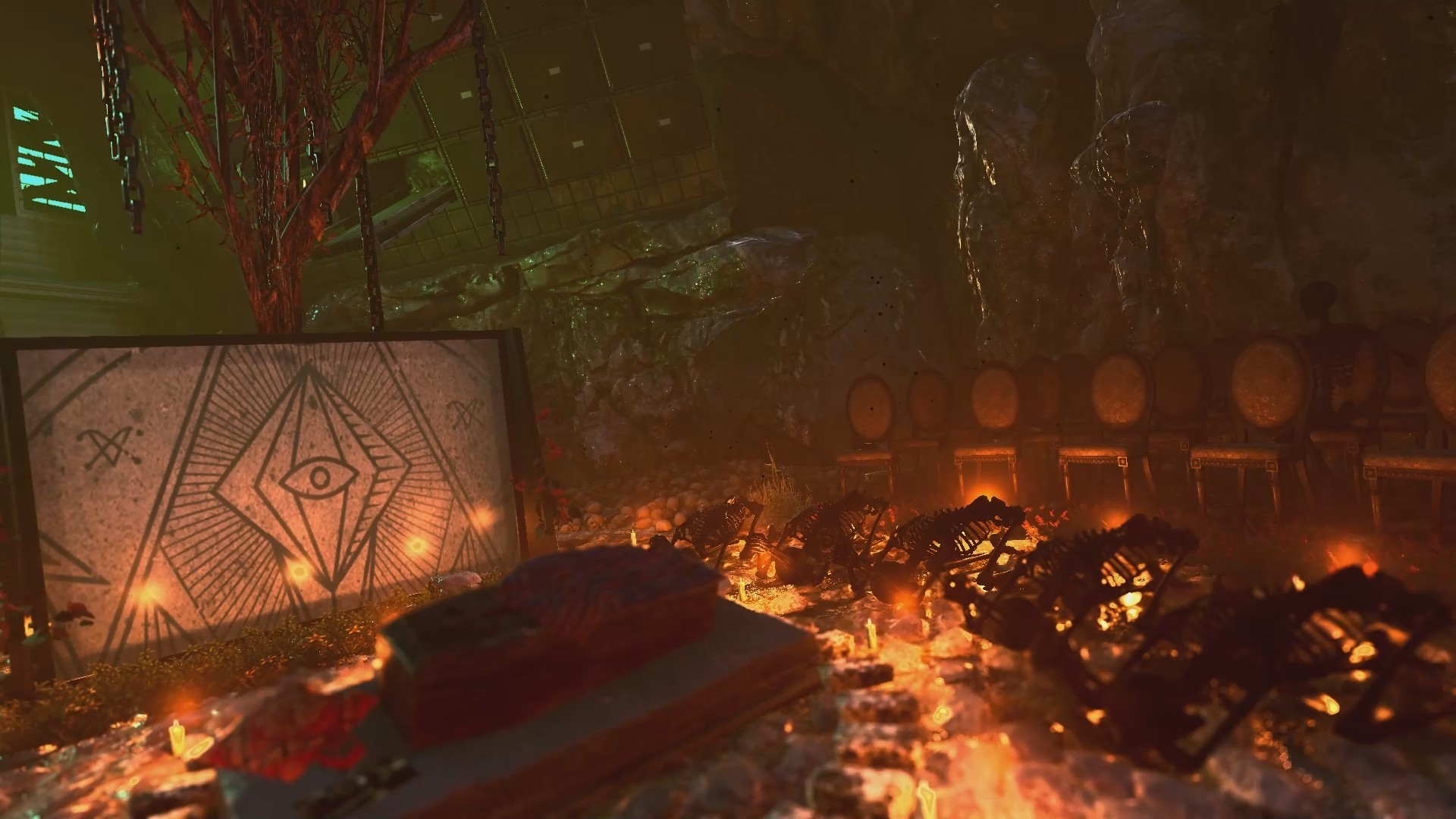
“Stay focused on getting your work out into the world in any way you can”.
@grapplebug, developer of Woten DX – Traveller’s Dream
Carefully Set Your Goal and Stretch Goals
The funding goal is the one decisive factor that defines whether or not a Kickstarter campaign is successful or not. After all, Kickstarter campaigns are all or nothing so if you don’t meet this goal, none of your pledges are collected and your campaign fails.
The devs that we spoke to suggested that you work out the minimum amount of funding you’ll need to finish your game, remembering that you can always raise more than that, but you won’t get anything if you fail to meet your funding target.
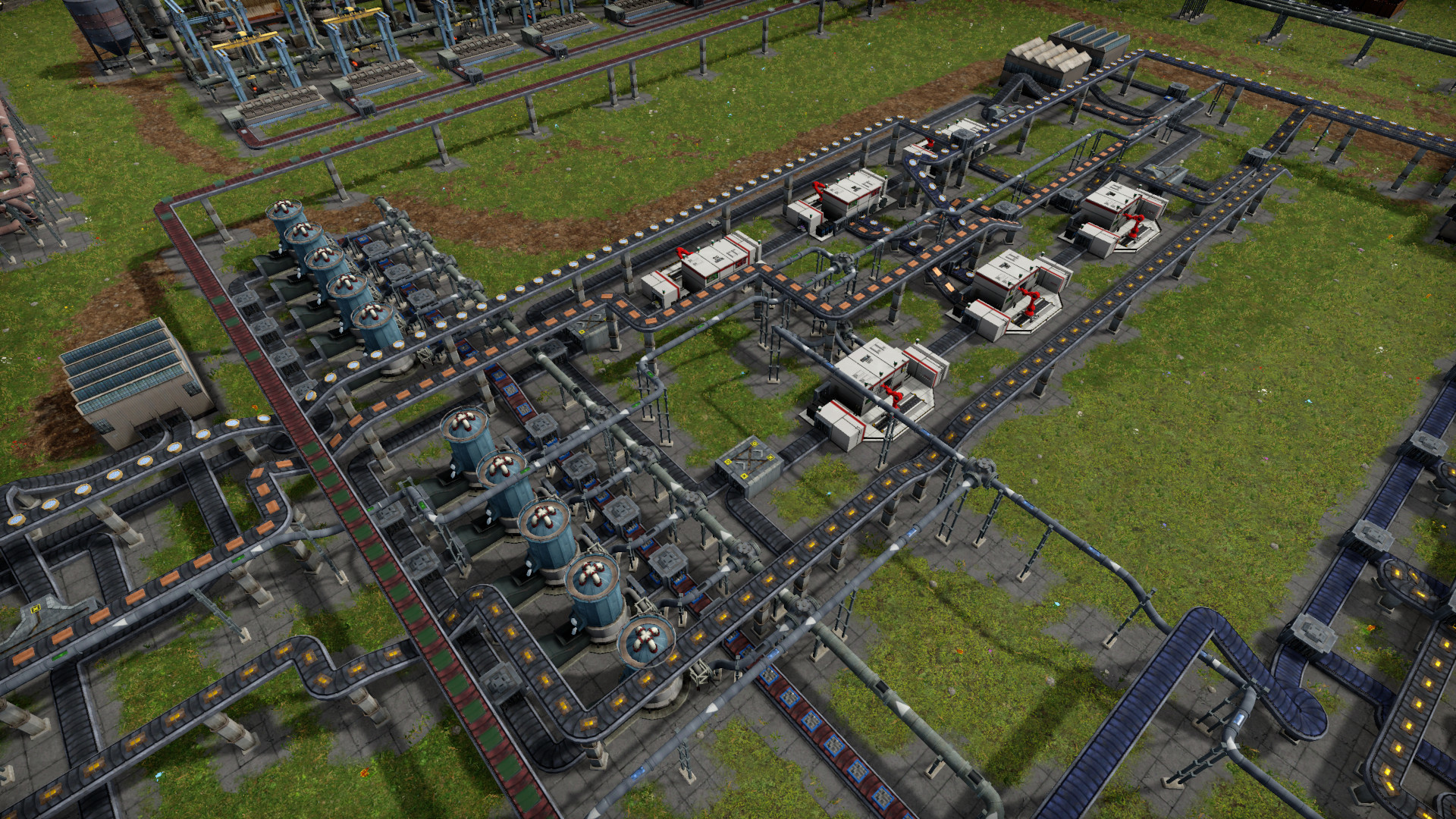
The team behind Captain of Industry suggested that indie devs “set the target low”. The Critter Crops devs told us that you should “make your funding goal attainable”.
Offer Valuable Tiers and Universal Stretch Goals
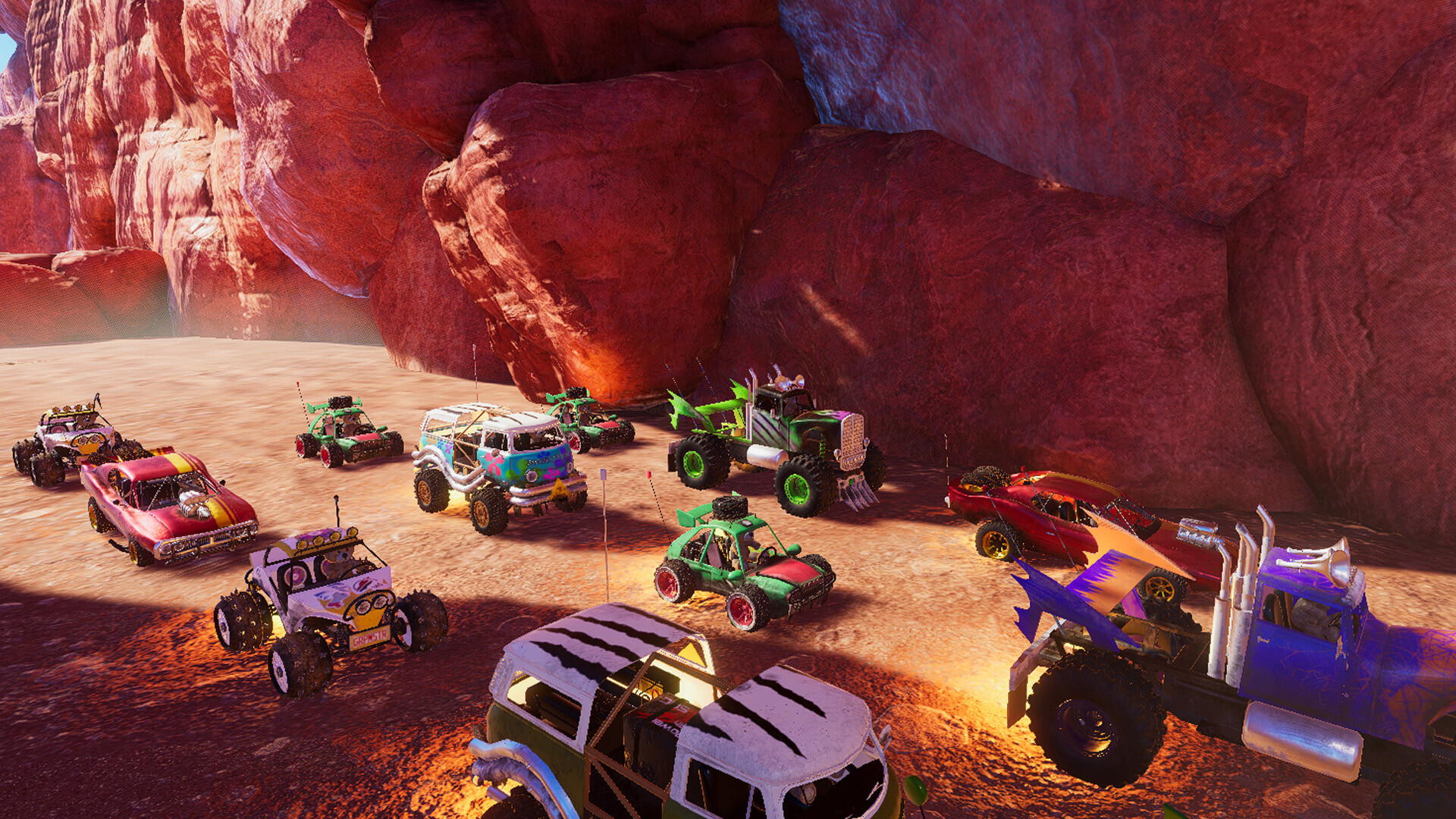
Part of crowdfunding is getting a lot of small pledges from a large number of backers, but this doesn’t mean that you can’t get some big pledges. John Draisey, the dev working on MotorCubs RC recommends including more expensive backer tiers so that your biggest supporters can really help push your campaign along.
The Foolish Mortals developers made an excellent point about stretch goals: Make your stretch goals something that’s of benefit to everyone!
We regularly see games offering stretch goals that include translations of the game into other languages and while this is great for players around the world, it immediately limits the value of these stretch goals.
Make it so your stretch goals are something that any backer would benefit from and they’ll be more likely to support your campaign even when the funding goal has been reached!
Time Your Campaign
When your campaign launches will also play an important part in its success. Absinthia dev Joshua Keith suggested “gathering as many pre-launch followers as you can” and even went as far as to recommend having around 2% of your campaign goal accounted for before launching.

You can’t do what we call the “Field of Dreams” approach (if you’re old enough to get the reference). As good as you think your game or your Kickstarter campaign is, you shouldn’t just expect your campaign to gain momentum as soon as you launch.
Kickstarter Is There to Help
Don’t forget that you can get in touch with Kickstarter. After all, Kickstarter makes its money from successful campaigns so it’s in their interest that your campaign is a success.
A Bit Awake, the team making Helms of Fury, reminded us that devs can and should email games@kickstarter.com to ask for help with their campaign pages and that you should definitely send a follow-up email to them just before you launch.
This leads us to the next and arguably most important point…
Market Your Game And Kickstarter Campaign
“Never underestimate marketing and do not rely on Kickstarter to bring you traffic on its own.”
@IndustryCaptain
Before people can even be wowed by your campaign, they need to find it! If people don’t know about your campaign, is there any point in even running it?
So many of the devs we spoke to owed their success to the marketing they did for their campaign.
But how do you get people to find and then back the Kickstarter campaign for your indie game?
Both the team behind Surviving the Humans and Kitori Academy recommended cross-promoting with other devs.
If there’s one thing we’ve seen during our time in this community, it’s that the indie game devs are supportive of one another and that you’re rarely in direct competition with each other. Ask your fellow devs to push your game’s Kickstarter to their followers and their communities.
This can really help if you target fans of games similar to yours. After all, if they like a game like yours, they’ll probably like your game.
We really can’t stress the importance of marketing enough, and neither could our contributors – they all understood that consistent and effective marketing played a huge part in their success. So, don’t dismiss it.
@Cosmic_Void_, developer of Blood Nova
Build a Community
One of the reasons you’ll want to market your game and its Kickstarter is to help you build a community. A lot of devs, including the teams behind Bo: Path of the Teal Lotus and A Twisted Tale suggested doing this well ahead of your campaign.
After all, your community will champion and drive your campaign and will very likely be your first backers. They’ll do a lot of the marketing for you in the early stages and most campaigns without a strong community behind them are likely to fail.
Your community can also help direct your campaign and are a useful sounding board. Refer to them to find out what got them interested in your game in the first place so that you can highlight it when planning your campaign.
How do you do this? Be active on the channels your target audience are active on. Build your presence there, engage people, be social. And please, please, please, be genuine. It might take some time, but building a community around your game is so powerful.
Have a Demo
Last but not least, this is advice that’s for all indie devs and not just those running a Kickstarter: put together a playable demo or vertical slice for your indie game.
Tobi, the developer behind Above Snakes, incentivised backers by offering them a playable demo of the game. While some people will back Kickstarters and be happy to wait a while before seeing any of the rewards, it can really help to have something that backers can enjoy right after the campaign.

There is, of course, no way to guarantee success for your Kickstarter, but taking the advice of indie devs who have successfully raised money is something that will give you a far better chance with your own campaign.
It might look like a long list of things to do, and it might take time to do them, but it’s far better to tick the boxes and do it properly than launch too early, underprepared and fail.
We hope you found the article useful. If you’ve got any comments or advice of your own to share, we’d love for you to share it with us below or on Twitter (@IndieBandits).
And remember that the indie game community is rooting for you and there to help if you need it!
 Indie Bandits